The key points
- Protein may support fullness and muscle retention, but weight loss still depends on overall energy balance.
- A basic protein allowance and a higher intake used in weight-loss research answer different questions; neither is a personal prescription.
- Use ordinary foods and check portions and product labels. Medical conditions can change the amount that is suitable.
Protein is a nutrient your body uses to build and maintain muscles and other tissues, as NIDDK explains. A high protein diet for weight loss can help some adults feel more satisfied after meals and retain more muscle while losing weight. It still needs to fit an eating pattern that supplies less energy than the body uses over time. Adding protein on top of everything you already eat does not automatically produce weight loss. NIDDK explains the role of food intake and activity.
Start with ordinary foods: dal (lentils), beans, chana (chickpeas), tofu, curd/yogurt, milk and paneer (fresh cheese). How much protein you need depends on your health, body size, age and activity. Higher intakes have been studied during weight loss, but there is no single amount that guarantees results. The research on protein and weight management also shows why the overall eating pattern and sticking with it matter.
This guide is for adults considering intentional weight loss. If you have a condition that affects your nutrition, are pregnant, or are losing weight without trying, read who needs individual advice before using the examples.
What protein can do during weight loss
Protein for weight loss is useful to think about in three parts:
- Fullness: a review found modest improvements in feelings of fullness with higher-protein meals. That did not consistently translate into eating less at the next meal. Your own appetite response may differ. Protein and appetite review.
- Body composition: in a meta-analysis of calorie-restricted trials, higher-protein diets produced modest short-term advantages in weight and fat loss and retention of fat-free mass (body mass other than fat, including muscle) compared with standard-protein diets. Both groups were assigned an energy-restricted diet; the findings do not establish that simply adding protein causes weight loss.
- Muscle retention: a 2024 review of randomized trials found that increasing protein helped retain muscle mass in adults with overweight or obesity attempting weight loss. Improvements in muscle strength and physical function were not clearly demonstrated. Studies varied in quality, so this is a possible benefit, not a guarantee.
Longer-term results are less certain. A meta-analysis of longer-term trials did not find a clear difference in weight outcomes between the lower- and higher-protein approaches it compared. Protein can be one useful part of a sustainable plan; the evidence does not identify one protein-rich diet as the best choice for everyone.
For everyday use, ask whether a protein-containing meal leaves you comfortably satisfied and is affordable and enjoyable enough to repeat. Our winter weight-management guide offers ideas for flexible meal and activity routines. Protein intake alone cannot establish that your muscle strength is being maintained.
How much protein do you need?
Different numbers answer different questions. A reference allowance describes general nutrient needs; a weight-loss study tests a particular eating pattern. Newer national dietary guidance may set a higher food-pattern goal.
| What the number represents | Protein per kilogram of body weight per day | How to interpret it |
|---|---|---|
| Longstanding US adult recommended dietary allowance | 0.8 g/kg | A general allowance for healthy adults, not a weight-loss target. |
| ICMR-NIN adult recommended dietary allowance | 0.83 g/kg | General guidance for healthy Indian adults, alongside a varied diet. |
| Range discussed in a weight-management research review | 1.2–1.6 g/kg | A studied higher intake that may help some adults; personal suitability still matters. |
| US Dietary Guidelines for Americans 2025–2030 | 1.2–1.6 g/kg | The current US dietary-pattern goal, with adjustment for individual needs. It is not proof of an optimal weight-loss dose. |
Sources: National Academies macronutrient reference table, ICMR-NIN guideline 8, weight-management research review and 2025–2030 US guidelines, protein section. National recommendations differ; the higher range should not be treated as a requirement for every reader.
For an arithmetic example, someone weighing 70 kg would get 56 g from 70 × 0.8, and 84–112 g from 70 × 1.2–1.6. These calculations illustrate the ranges, not what that person should eat. At a much higher body weight, or with medical conditions, ask a dietitian which weight and target to use rather than automatically choosing the largest result.
If you are wondering, “How much protein do I need to lose weight?”, a useful first step is to estimate what you already eat from a few ordinary days. Check food labels and portions. Discuss a suitable target if you need one, then spread the foods across meals in a way that fits your day. You do not need to hit an identical number at every meal.
Everyday high-protein foods for weight loss
These are approximate comparisons for the specific food forms shown, based on the UK government's Composition of Foods Integrated Dataset 2021. Protein is rounded to the nearest gram. The servings are examples, not prescribed portions.
| Food | Example serving | Approximate protein | Practical note |
|---|---|---|---|
| Red lentils, boiled | 200 g cooked | 16 g | Extra water in dal changes the amount per bowl. |
| Chickpeas, canned, reheated and drained | 150 g prepared | 13 g | A portion for chana, salads or bowls. |
| Kidney beans, boiled | 150 g cooked | 13 g | Rajma (kidney beans) with gravy will differ. |
| Tofu, steamed | 200 g prepared | 16 g | Firm and higher-protein products can differ substantially. |
| Plain low-fat yogurt | 200 g | 10 g | Curd and strained yogurt vary; check the label. |
| Semi-skimmed milk | 250 g, roughly a glass | 9 g | This calculation uses weight, not an exact glass volume. |
| Paneer | 75 g | 20 g | UK dataset value; homemade and Indian brands may differ. |
| Almonds | 25 g | 5 g | A modest handful; also contains fat. |
Keep raw and cooked weights separate. Dry pulses take up water during cooking. A dry-weight value cannot be applied to the same weight of cooked lentils. Gravy, frying oil and other recipe ingredients also change a dish's nutrition. Use the actual product label or a recipe calculation when you need a more precise estimate.
Vegetarian choices
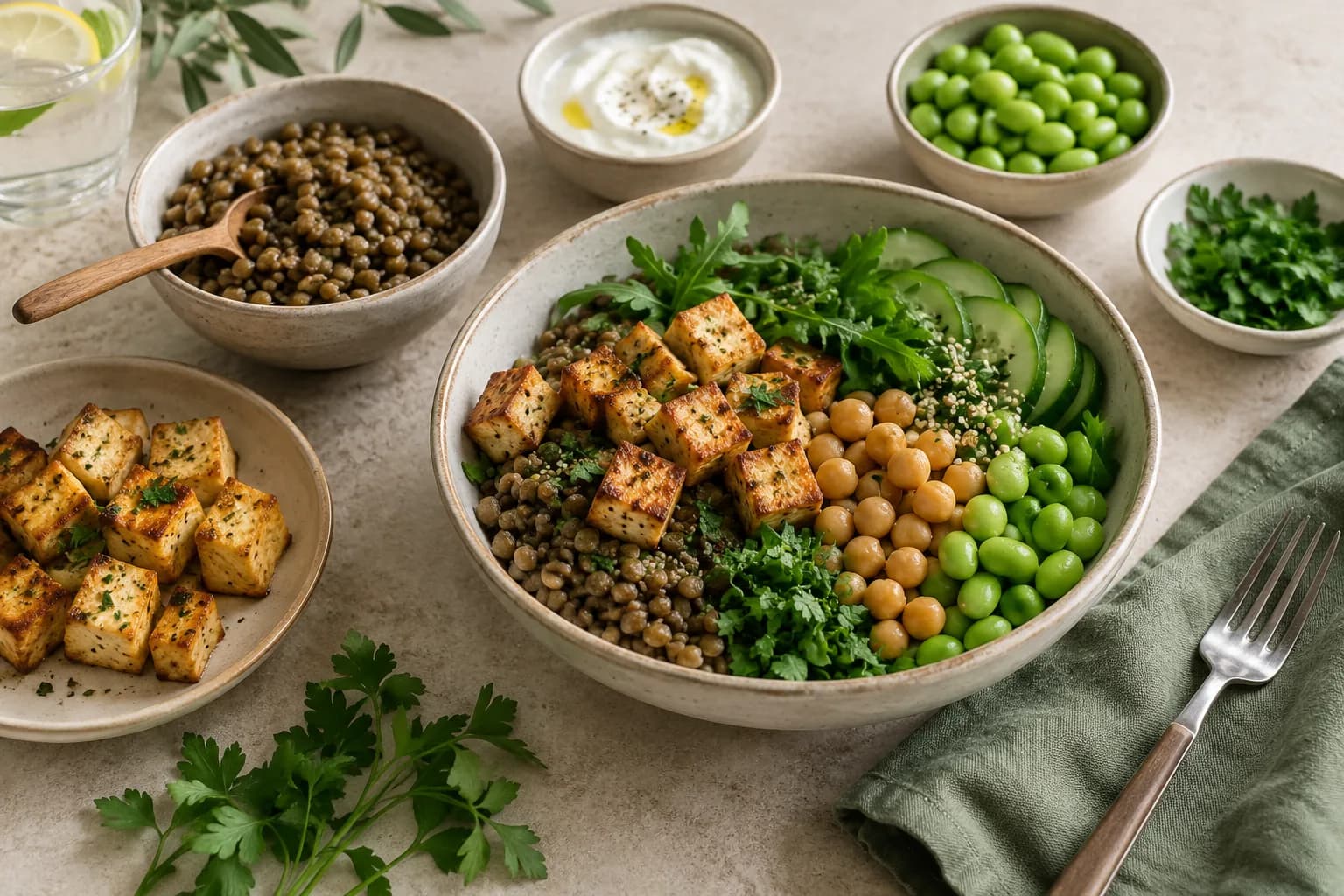
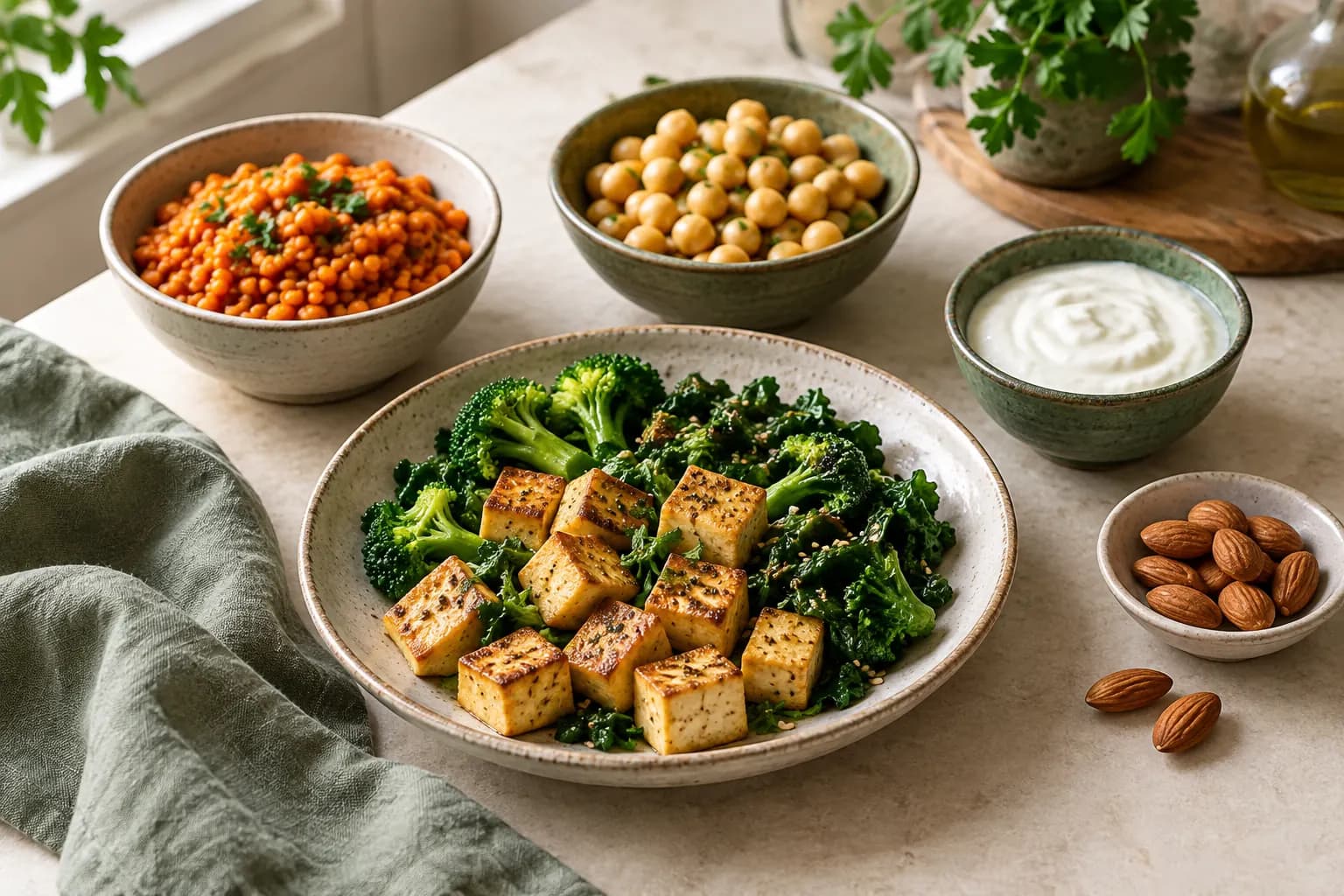
For high protein vegetarian foods, rotate pulses and soy foods, and add dairy if you eat it. Dal with roti (flatbread), chana with rice, tofu with vegetables, or curd alongside a meal are familiar combinations. Paneer can fit too; its portion and preparation matter.
The ICMR-NIN dietary guidelines emphasize varied food sources and combinations of pulses and cereals for protein quality. Our vegetarian protein food guide offers more ingredient ideas for active routines.
Non-vegetarian choices
Chicken, fish and eggs are options for readers who eat them. Try grilled chicken with vegetables and rice, fish with roti and a vegetable dish, or an egg with wholegrain toast and fruit. These are meal ideas, not nutritionally identical swaps. The NHS Eatwell Guide includes varied protein foods and advises choosing lean meat and eating less processed meat.
These approximate values use the same CoFID dataset and rounding as the vegetarian table above.
| Food | Example serving | Approximate protein | Practical note |
|---|---|---|---|
| Chicken breast, grilled without skin | 100 g cooked meat | 32 g | Use the cooked edible weight. |
| Farmed salmon, grilled | 100 g cooked flesh | 25 g | Species and preparation vary. |
| Whole boiled egg | 50 g edible portion | 7 g | Size varies; shell is excluded. |
High-protein meals you can put together
Choose a protein food first, then build a complete meal around it. Keep vegetables or fruit, a starchy food and suitable fats in the day's eating pattern. The Eatwell Guide describes balance across the day or week; increasing protein does not require removing all carbohydrates.
Breakfast
- Plain curd or yogurt with oats and fruit; use milk to prepare the oats if suitable for you.
- A tofu scramble with vegetables and wholegrain toast.
- Besan chilla (chickpea-flour pancake) with a plain curd accompaniment. Its protein depends on how much flour and curd you use.
Lunch
- A thick dal with tofu pieces, rice or roti, and vegetables.
- Chana or rajma with a grain and a vegetable side.
- A paneer and vegetable wrap, with a portion that fits your appetite and needs.
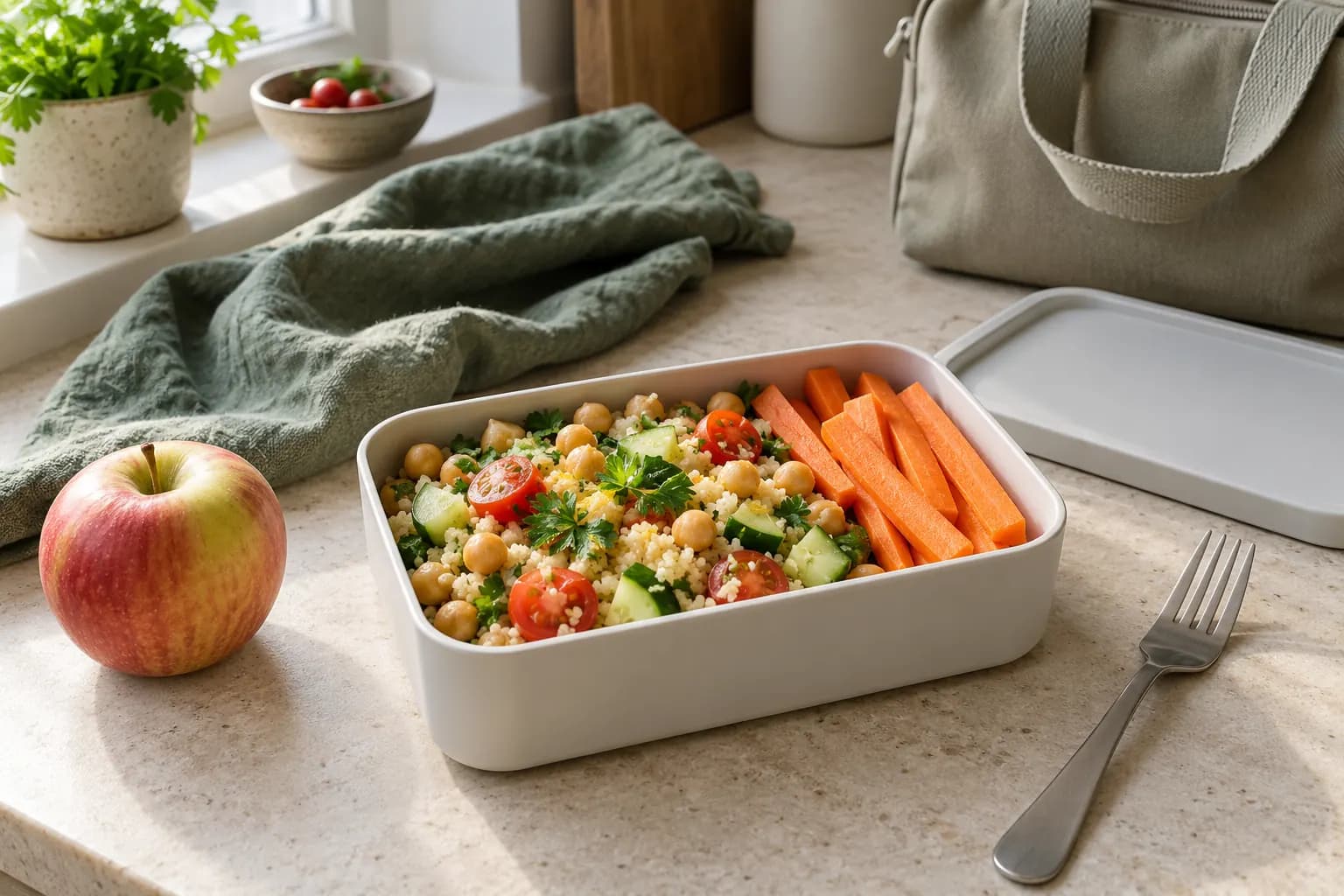
Our vegetarian lunches for busy days guide explains how to assemble and safely pack meals when you have limited time or access to refrigeration.
Dinner
- Tofu with stir-fried vegetables and rice.
- Chickpea and paneer curry with vegetables and roti.
- For non-vegetarian readers, grilled chicken or fish with a vegetable dish and a starchy side.
Use enough sauce or seasoning to make the meal enjoyable, and include cooking oil in any nutrition calculation. Protein amounts from the table describe the protein food itself, not the whole finished recipe.
Snacks
If a snack fits your appetite, try plain yogurt, milk, ready-to-eat roasted chana prepared according to its label, or fruit with a small portion of nuts or seeds. A snack is optional. You do not have to add one simply because a diet plan lists it.
An adaptable vegetarian day
Here is one way to distribute ordinary protein foods. It includes dairy. It is a worked food example, not a calorie plan or a target everyone should follow. Adjust meal size and choices to your needs.
| Meal | Example combination | Protein from the listed protein foods only |
|---|---|---|
| Breakfast | Oats and fruit, with 250 g milk and 200 g plain low-fat yogurt | About 18 g from milk and yogurt |
| Lunch | 200 g boiled red lentils and 150 g tofu, with roti or rice and vegetables | About 28 g from lentils and tofu |
| Dinner | 150 g prepared chickpeas and 75 g paneer, with vegetables and roti | About 32 g from chickpeas and paneer |
| Optional snack | 25 g almonds and fruit | About 5 g from almonds |
Using the same food-data entries as the comparison table, the listed protein foods supply about 79 g without the snack, or 84 g with it. Oats, roti, rice and vegetables contribute additional protein; their portions are deliberately unspecified, so these are not whole-day totals. Actual paneer, tofu and yogurt can change the result considerably. For example, read the paneer packet instead of assuming its value matches the UK dataset.
Swap foods you dislike or cannot eat, and recalculate if a number matters for your care. A lower-fat milk alternative or a different bean dish may work for you, but the protein contribution will depend on the product and portion. A fully vegan version needs appropriate dairy replacements and broader nutrition planning.
Common mistakes and the protein-powder question
Adding everything rather than adjusting meals. A shake, a protein bar and extra paneer still add food energy. Look at how they fit into your existing meals instead of assuming the protein label changes energy balance.
Overlooking calorie-dense choices. Nuts, seeds, nut butter and cheese can contribute protein and substantial energy. Paneer cooked in plenty of oil and large sweetened shakes may also supply more calories than expected. Check both portion size and the whole recipe; the food-composition dataset and the NHS guide help explain this distinction.
Squeezing out other food groups. Keep fibre-containing pulses, wholegrains, vegetables and fruit in view. A protein-rich diet for weight loss still needs variety. If the eating plan is difficult to enjoy or maintain, more protein does not solve that problem.
Buying powder before checking meals. Many adults can meet their protein needs with foods. ICMR-NIN guideline 8 prioritizes a varied food-based approach and cautions against indiscriminate high supplement intakes. A powder can be a convenience in an individualized plan, but it is not required for weight loss. Compare its protein, ingredients, allergens and calories, including what you mix it with. If appetite or a medical condition limits your eating, ask for nutrition advice rather than choosing supplements alone.
Can you eat too much protein?
More protein is not automatically better. There is no universal “maximum safe grams” number that this article can give you. The National Academies reference tables did not identify a defined intake level for protein-related adverse effects; that is a limit of the evidence, not evidence that unlimited intake is safe.
The source of the protein, overall diet and health conditions matter. Do not keep increasing protein while cutting out foods needed for a balanced diet, and do not apply healthy-adult research to a kidney or liver condition without clinical guidance.
Who should get individual advice?
Speak with a clinician or registered dietitian before intentional calorie restriction or a major protein increase if any of these apply:
- Kidney disease: the appropriate amount depends on your kidney function and treatment. Some people need moderate protein, while people receiving dialysis may need more. Do not make either change yourself. NIDDK kidney nutrition guidance.
- Liver disease: ask your care team for a plan. In cirrhosis, getting enough energy and protein can be important; self-imposed restriction may be inappropriate. NIDDK cirrhosis guidance.
- Pregnancy: do not use this article as a weight-loss diet. Discuss nutrition and weight changes with your maternity team. NHS pregnancy guidance.
- Older age with frailty, poor appetite or unintended weight loss: seek an assessment before restricting food. Ageing does not make unexplained weight loss something to ignore. NHS malnutrition guidance.
- An eating disorder or distress around food and weight: seek appropriate professional support. Rigid protein targets and restrictive meal rules may not be suitable for your care. NHS eating-disorder guidance.
Children, people recovering from illness or surgery, and anyone following a prescribed diet need advice suited to their circumstances. If you use a weight-management medicine, discuss nutrition with its prescriber; do not change medication based on this food guide. Our GLP-1 and hair-loss article explains why unexpected shedding or difficulty eating deserves an assessment rather than self-treatment.
Frequently asked questions
Will protein burn belly fat?
There is no basis here for promising that protein will selectively remove belly fat. The cited weight-loss trials compare whole diets and overall weight or body composition. Protein may help fullness and muscle retention while an appropriate overall eating pattern supports weight loss.
Is 100 g of protein enough for weight loss?
It may fit some adults' nutrition needs, but the number alone cannot tell you whether weight loss will occur or whether the diet is appropriate. Use the guidance ranges as context and consider health, body size, food energy and any individualized target.
Do I need to cut out rice or roti?
No. Starchy foods can fit alongside protein foods, vegetables and suitable fats. The amount that works for you depends on the whole eating pattern. Choosing higher-fibre versions when suitable is one way to add variety; the NHS guide includes starchy foods as part of a balanced diet.
Can vegetarian meals provide enough protein?
Yes, with suitable portions and varied foods. Pulses, soy foods and, if you include them, dairy can contribute. The food table and vegetarian day show how contributions add up; the example does not establish a target for every vegetarian reader.
Should I drink a protein shake before bed?
A bedtime shake is not required by the evidence discussed here. First consider whether your meals meet your needs. If a clinician or dietitian recommends a supplement, follow the plan they give you rather than adding one because of a timing claim.
Choose one meal to start
Look at a meal you already eat and identify its protein food. If it has little, try one addition or substitution you enjoy: curd alongside breakfast, dal as a substantial lunch component, or tofu, paneer, chicken or fish at dinner. Keep the rest of the day's nutrition and portions in view. Reassess what is practical for you before turning a protein number into a rigid daily rule.
Sources & references
Public resources that informed this guide. A source check is an editorial action, not an individual clinical review. Our sources policy.
- NIDDK: Eating and physical activity to lose or maintain weight Checked October 5, 2026
- Wycherley et al., 2012: Energy-restricted higher-protein diets, randomized-trial meta-analysis Checked October 5, 2026
- Leidy et al., 2015: The role of protein in weight loss and maintenance Checked October 5, 2026
- Kokura et al., 2024: Protein intake and muscle retention during weight loss, randomized-trial meta-analysis Checked October 5, 2026
- Schwingshackl and Hoffmann, 2013: Long-term effects of lower- and higher-protein diets, meta-analysis Checked October 5, 2026
- National Academies: Dietary Reference Intakes for macronutrients, protein allowance Checked October 5, 2026
- ICMR-NIN: Dietary Guidelines for Indians 2024, guideline 8 Checked October 5, 2026
- US HHS and USDA: Dietary Guidelines for Americans 2025–2030 Checked October 5, 2026
- Public Health England: Composition of Foods Integrated Dataset 2021 Checked October 5, 2026
- NHS: The Eatwell Guide Checked October 5, 2026
- NIDDK: Healthy eating for adults with chronic kidney disease Checked October 5, 2026
- NIDDK: Eating, diet and nutrition for cirrhosis Checked October 5, 2026
- NHS: Obesity and pregnancy Checked October 5, 2026
- NHS: Malnutrition Checked October 5, 2026
- NHS: Eating disorders overview Checked October 5, 2026
Something needs clarification? Send an editorial correction.