The key points
- Use varied protein foods alongside enough food overall for your activity.
- Beans, lentils, soy foods, eggs and dairy can offer practical options, depending on your diet.
- Personal protein targets and supplements need individual consideration.
A vegetarian gym routine can begin with ordinary meals. Before buying powders or following a strict menu, look at the foods you enjoy, how often you cook, and what is convenient around your training.
Protein is involved in building and repairing the body's cells. The NHS recommends a variety of vegetarian protein sources. Training goals differ, so this guide offers food ideas rather than a personal protein prescription or a promise of muscle gain.
Choose a few reliable protein foods
Keep two or three options that you can use in different meals. The following combinations are examples, not comparisons of equal protein portions. Products, recipes and serving sizes vary; use packaging information when you need accurate quantities.
| Food option | An easy way to use it |
|---|---|
| Lentils and beans | Dal, soup, bean chilli or a lentil salad |
| Chickpeas | A chickpea bowl, hummus sandwich or curry |
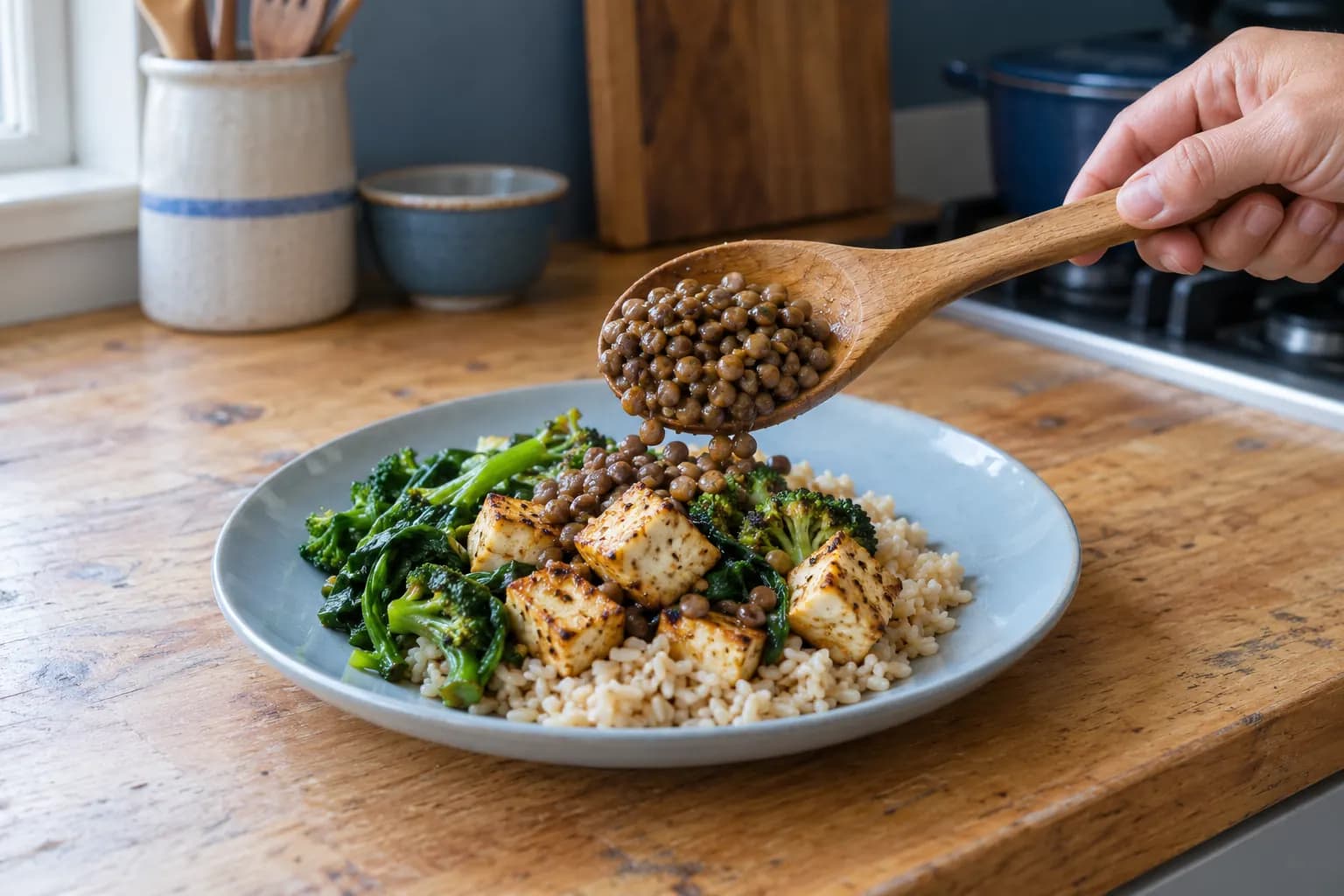
| Tofu and tempeh | A stir-fry, tray bake or noodle bowl |
| Edamame | Added to a rice bowl or served alongside a meal |
| Eggs, if included in your diet | An omelette or boiled eggs with toast |
| Plain yogurt or other dairy, if included | With oats or fruit; check the label for protein |
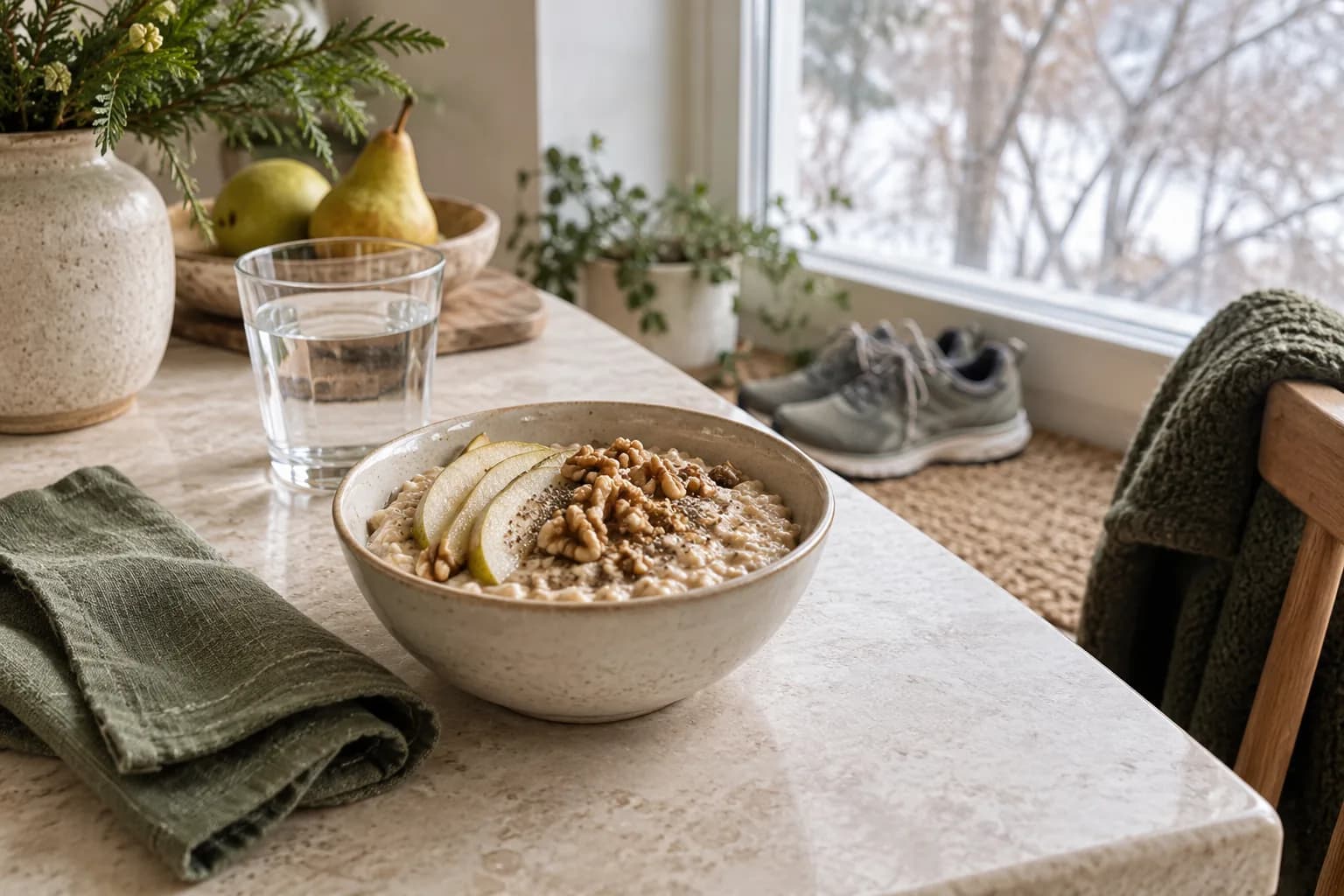
| Nuts and seeds, if suitable for you | Added to porridge or a salad rather than treated as a complete meal |
Paneer and cottage cheese are different foods, and plant drinks differ considerably. Avoid assuming that every milk alternative or cheese provides the same nutrition.
Make the whole meal work
Protein is one part of a varied diet. Include vegetables or fruit, starchy foods and other foods you enjoy. A meal does not have to achieve perfect balance on its own; consider the pattern across your day or week.
For an easy lunch, try leftover rice with chickpeas, vegetables and a dressing. For dinner, tofu with noodles and greens can be a starting point. Adjust ingredients for allergies, culture, cost and appetite. These examples do not specify portions because the amount you need is individual.
Keep meals practical around training
Choose a meal schedule that fits your work and activity. If you train after a busy day, prepare something easy before leaving rather than depending on an elaborate recipe when you get home. A container of cooked lentils, frozen edamame or an easy egg dish can give you options.
Try this simple preparation list:
- Choose two main protein foods for the week.
- Plan a meal that can become tomorrow's lunch.
- Keep one convenient option for days when cooking is difficult.
- Check ingredients and labels if you have allergies or specific dietary needs.
There is no mandatory shake or branded product in this routine. If you are considering a supplement, discuss its suitability with a qualified professional rather than relying on marketing.
Look beyond protein
The NHS highlights iron and vitamin B12 as nutrients to consider when planning a vegetarian diet. If you avoid all animal foods, make sure you have a reliable B12 source. Fortified products vary, so read labels and seek individual advice where needed.
This guide does not establish a gram-per-kilogram target. A registered dietitian can help match food intake to training, medical needs and preferences, especially during pregnancy, illness or a major change in activity.
For more ways to vary your meals, read our seasonal food guide. For the movement side of winter routines, see understanding muscle cramps.
Sources & references
Public resources that informed this guide. A source check is an editorial action, not an individual clinical review. Our sources policy.
- NHS: The vegetarian diet Checked October 3, 2026
- NIDDK: Eating and physical activity Checked October 3, 2026
Something needs clarification? Send an editorial correction.