The key points
- A varied diet supplies nutrients needed for normal immune function.
- No superfood guarantees protection from colds, flu or other infections.
- Vaccination, hygiene and cleaner air matter alongside everyday habits.
“Immune boosting” is an appealing label, but it can make ordinary foods sound like medicines. The immune system needs adequate nutrients to work normally. That does not mean eating a particular ingredient will stop you catching an infection.
NIH's Office of Dietary Supplements explains that varied nutritious foods can supply the nutrients needed for immune function. When there is no deficiency, extra vitamins and minerals generally do not prevent infections or speed recovery. A clinician can help if a deficiency is suspected; more is not automatically better.
Ten foods to bring variety to winter meals
Keep the focus on meals you like and can afford. These ideas preserve the original guide's seasonal ingredients without treating any of them as a cure.
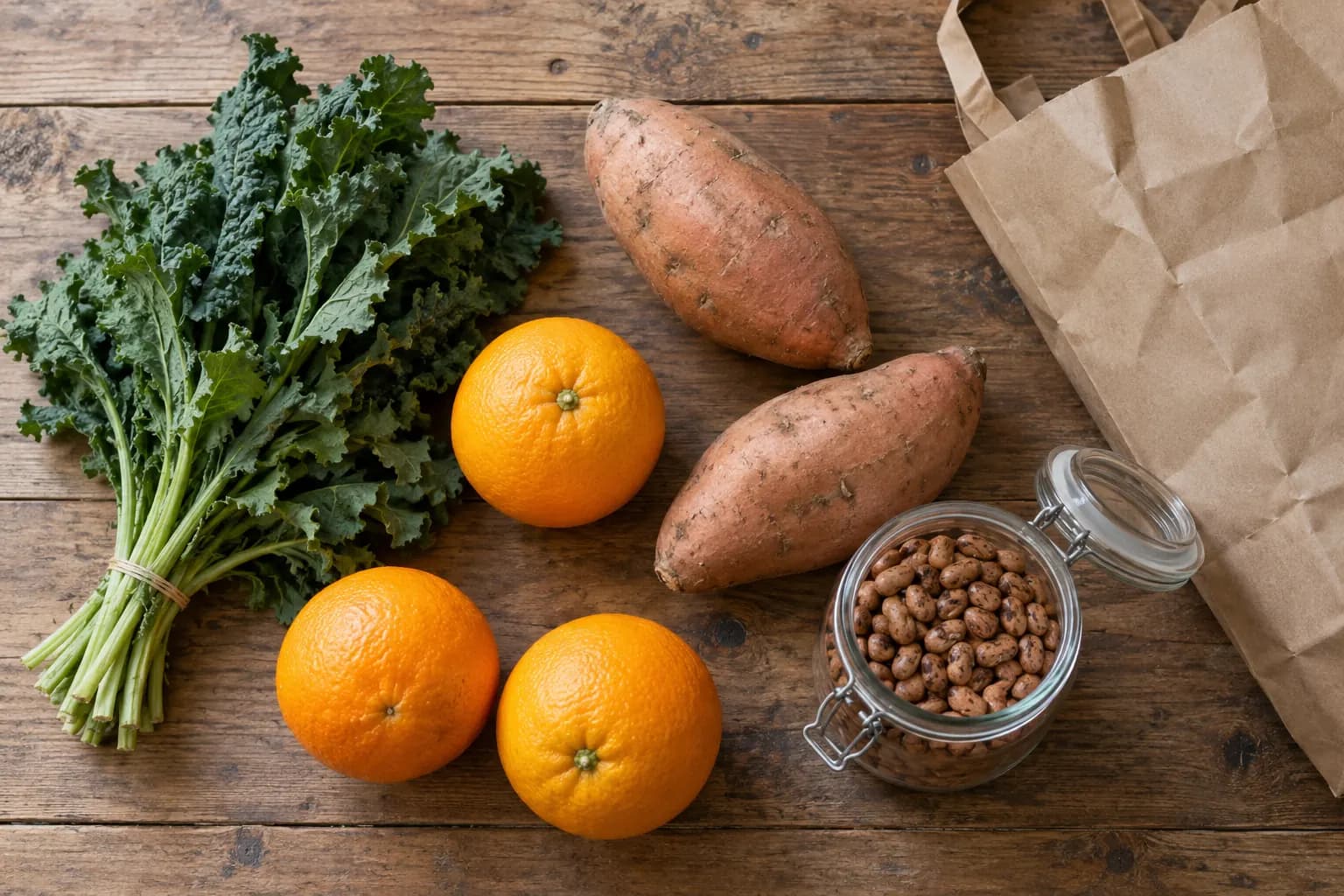
- Citrus fruit: Serve an orange alongside breakfast or add segments to a salad. It is food, not a substitute for prevention or treatment.
- Garlic: Use it to season lentils, vegetables or soup. NCCIH describes research on garlic supplements for immune benefits as limited and weak; avoid calling it a natural antibiotic.
- Ginger: Add a little to a curry or a warm drink if you enjoy the flavour. Enjoyment is reason enough without promising infection protection.
- Leafy vegetables: Use fresh or frozen greens in a dal, soup or omelette. Choose whichever is accessible locally.
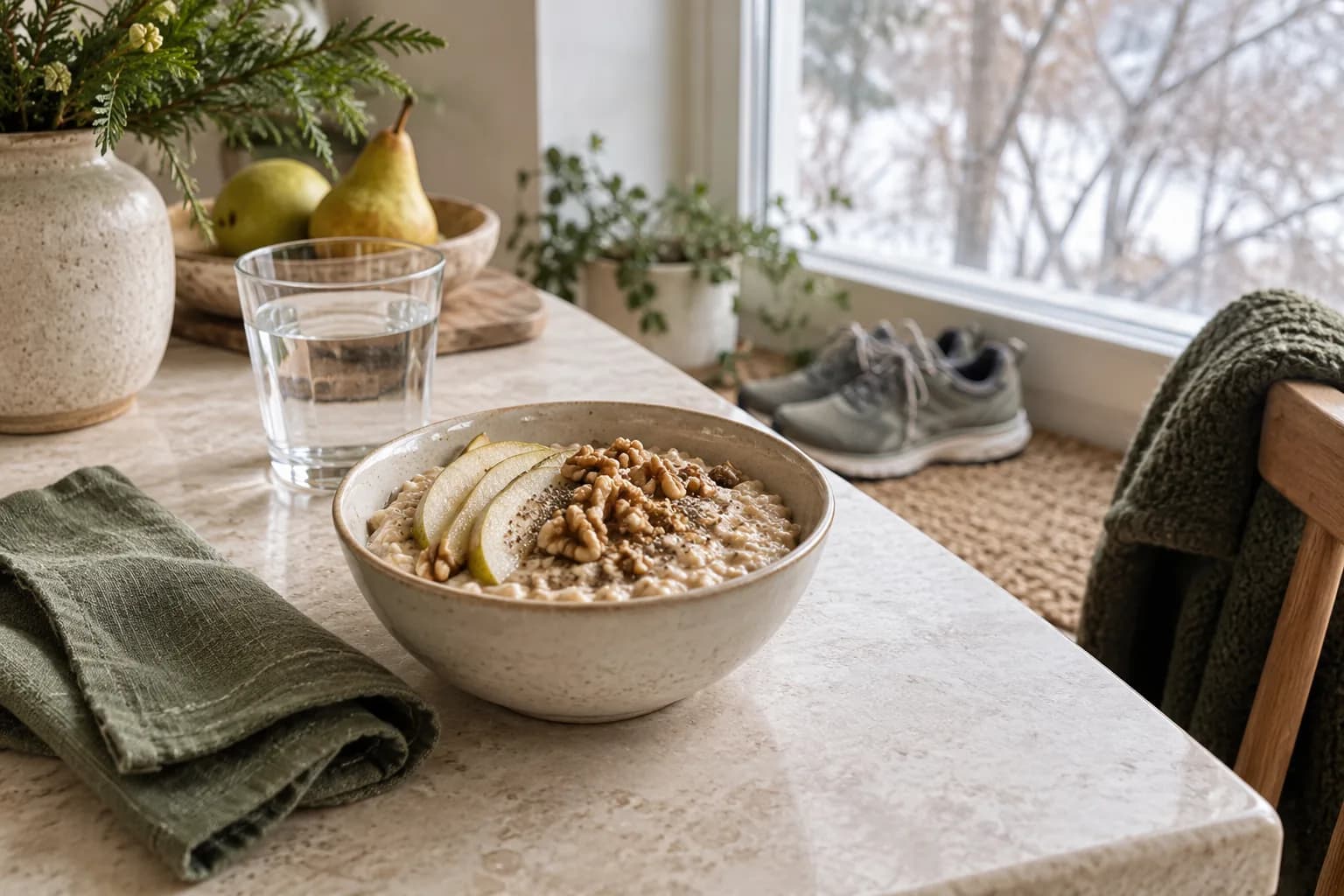
- Nuts and seeds: Keep a suitable option for porridge or snacks, taking allergies into account.
- Plain yogurt: Serve with fruit or alongside a meal if you include dairy. Plant alternatives vary, so check the label rather than assuming identical nutrition.
- Turmeric: A familiar cooking spice can add flavour. Findings about concentrated supplements do not establish that a turmeric drink prevents winter illness.
- Sweet potatoes: Roast, mash or add them to soup. Ordinary potatoes and other local vegetables can also have a place in your meals.
- Tea or another warm drink: Choose something you enjoy. A comforting drink is not an antiviral treatment.
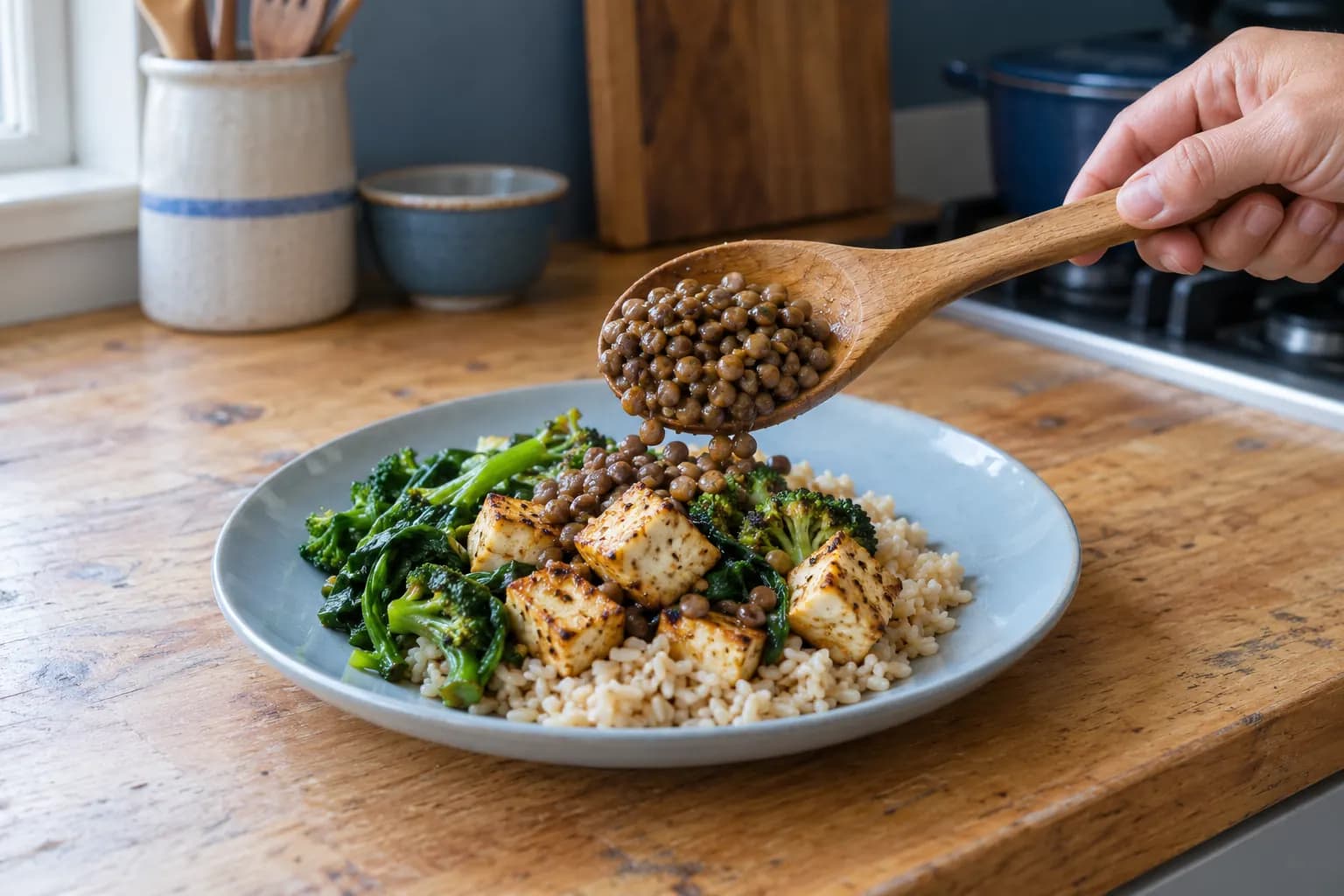
- Beans and lentils: Batch-cook dal or a bean stew for an easy meal. See our vegetarian protein ideas for more combinations.
You do not need all ten foods, expensive imported ingredients or a new supplement routine. Pick a few convenient options and vary the rest of your meals over time.
Keep established prevention in view
CDC's respiratory illness guidance includes recommended immunizations, regular hand hygiene and steps for cleaner indoor air. When ill, take precautions to avoid spreading infection. The right vaccination advice depends on your location, age and health; ask a trusted healthcare professional about current local recommendations.
If you have risk factors for severe illness, seek healthcare promptly when sick. Food advice should not delay assessment or treatments that may be appropriate. Masks and other additional precautions may be useful in particular settings or when illness is circulating.
Be careful with supplements and remedies
An ingredient used in cooking is different from a concentrated supplement. Products can have side effects and interact with medicines. NCCIH notes, for example, that garlic supplements can increase bleeding risk. Ask a clinician or pharmacist before taking an herbal product, especially with medicines or around surgery.
Keep seasonal care practical: plan an easy meal, rest when you can, and follow current local public-health guidance. For another common winter concern, read our guide to dry skin and chapped lips.
Sources & references
Public resources that informed this guide. A source check is an editorial action, not an individual clinical review. Our sources policy.
- NIH Office of Dietary Supplements: Immune function Checked October 3, 2026
- CDC: Preventing respiratory illnesses Checked October 3, 2026
- NCCIH: Garlic, usefulness and safety Checked October 3, 2026
- NCCIH: Turmeric, usefulness and safety Checked October 3, 2026
Something needs clarification? Send an editorial correction.